



Hunting and Fishing News Blog Articles
Eight-Year Investigation Uncovers Wyoming Residency Tag Fraud
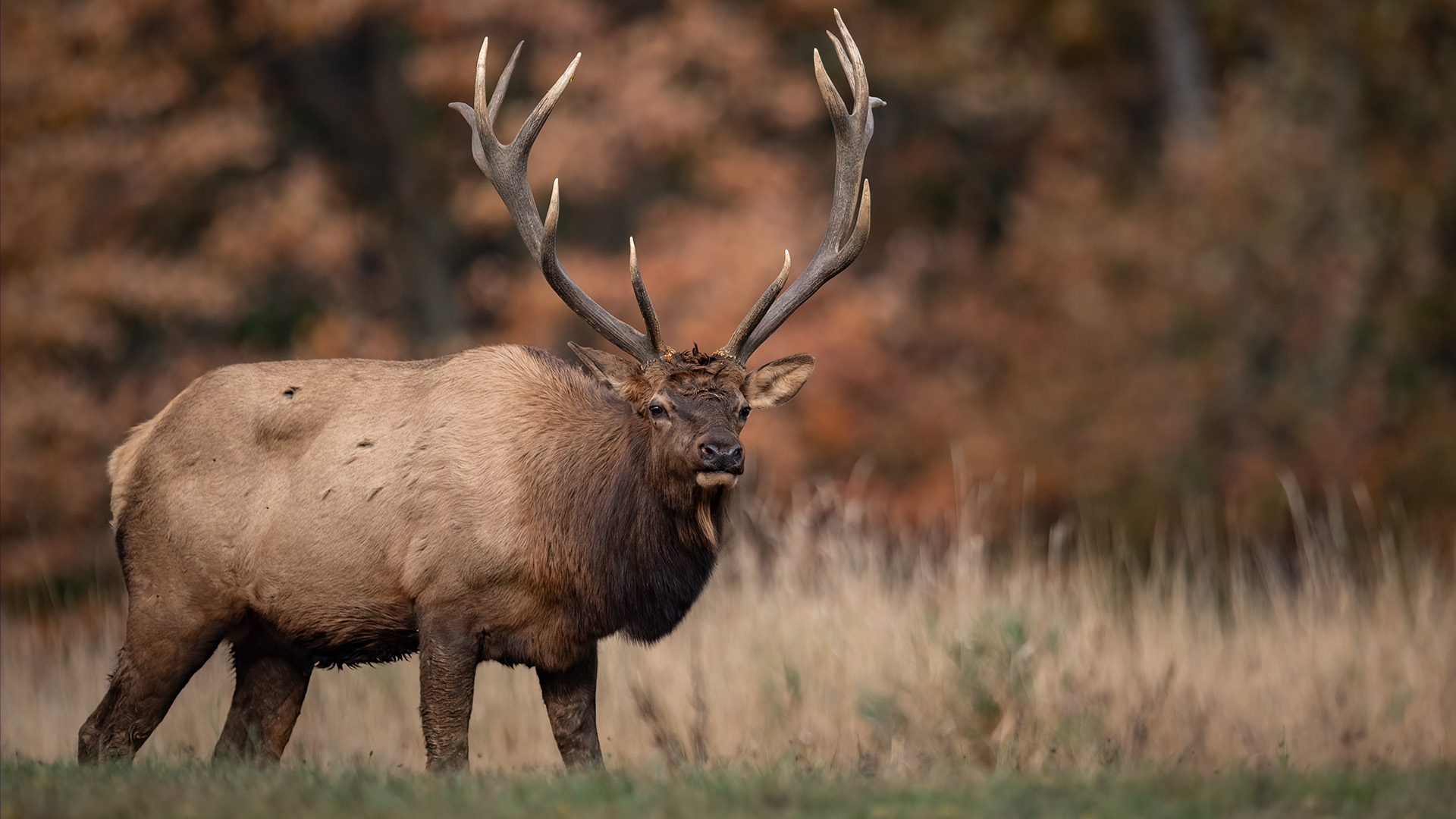 Photo Courtesy of harrycollinsphotography_envato
After an eight-year investigation, Wyoming Game and Fish Department officials recently charged ten people with faking Wyoming residency to skip the nonresident waiting line, and save a ton of money in drawing resident hunting tags.
The Facts
The investigation began in 2018 with reports of illegal hunting tied to an outfitter operation in Sweetwater County. Over several years, game wardens in Wyoming worked with officials in Minnesota, Wisconsin, and Utah to gather evidence. Search warrants were executed in multiple states, and dozens of wildlife violations were uncovered.
At the center of the case was a man named Sean Thomas of Farson. Authorities say Thomas and others made false statements to obtain Wyoming resident licenses. Under those false licenses, they harvested elk, deer, pronghorn, black bears, and other game animals in southwest Wyoming.
For his role, Thomas was fined a total of about $9,000, ordered to pay $6,000 in restitution, sentenced to jail time (with most of it suspended), and lost his hunting, fishing, and trapping privileges for twenty years. Others connected to the case faced similar charges and penalties.
To understand why that matters, consider the cost difference between resident and nonresident tags. Nonresident antelope, deer, and elk licenses can cost several hundred dollars more than resident ones. Resident tags for those same species all cost under $60 apiece, while nonresident tags are anywhere from $372 to $1900 depending on the tag and special or regular pricing.
That price gap, combined with far better draw odds (and general tags) creates an obvious incentive for people to cheat the system, but these folks took that to the next level.
Why This Matters
When someone falsely claims Wyoming residency, they’re cheating nonresidents who follow the rules, pay higher fees, and accept the odds stacked against them. That alone should be of interest to the average hunter.
However, there’s another issue: the penalty. In this case, the fines were less than what many hunters pay for a single guided elk hunt. That’s not exactly a strong deterrent.
When someone can gamble with the system for years, get caught, and pay roughly the price of a single outfitted hunt, it’s fair to ask whether the punishment fits the crime.
The 20-year suspension of hunting, trapping, and is serious and likely the most meaningful part of the sentence. For a true hunter, two decades off the mountain is painful. But financially, it’s still hard to argue that the fines alone reflect the damage done. Those who fraudulently drew resident tags not only stole discounted licenses, they also took advantage of opportunities that other hunters waited years to earn.
Plus, for a state that doesn’t have a single Costco, professional sports team, and brutal winter off-season, a residence in the Cowboy State is not exactly the most convenient compared to modern American amenities in populated areas of the country. Folks who live in other states and take advantage of the resident tag system don’t take part in any of the drawbacks that, honestly, also make Wyoming such a sought-after hunting state.
The Bottom Line
This case is a reminder that every license sold represents more than just a hunt—it’s a contract with the public to uphold fairness and conservation. When people cheat to gain an advantage, they’re not just breaking a rule; they’re breaking a handshake deal with every other hunter who plays by the rules.
The twenty-year suspension sends a strong message. But for a problem this widespread and long-running, the penalties should also send a financial message that makes people think twice before trying to skirt the system.
The post Eight-Year Investigation Uncovers Wyoming Residency Tag Fraud appeared first on Eastmans' Official Blog | Mule Deer, Antelope, Elk Hunting and Bowhunting Magazine | Eastmans' Hunting Journals.
Copyright
© Eastmans
About the author

