



Hunting and Fishing News Blog Articles
How to Store and Maintain Your Rifle Using a Soft Case
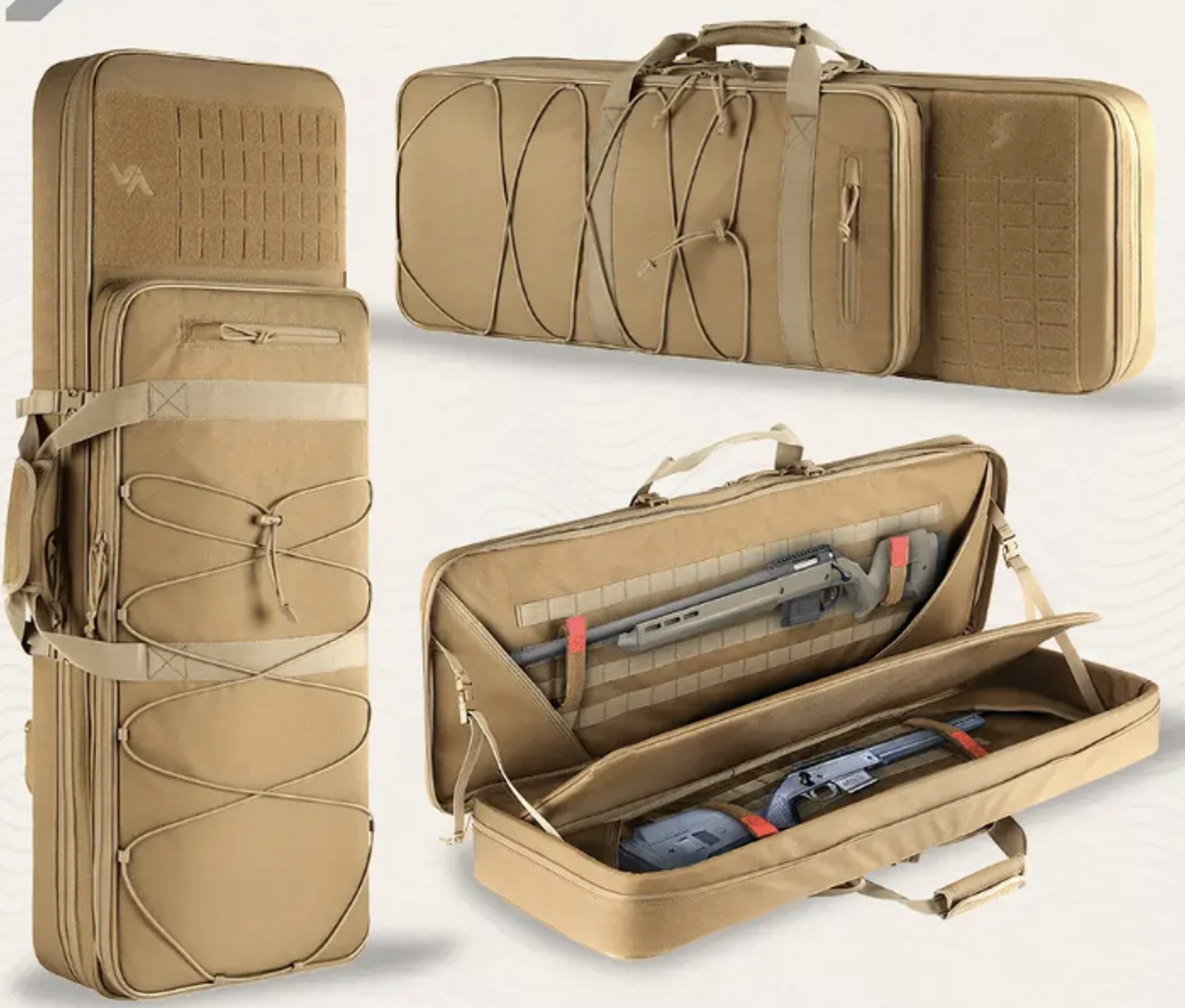
Proper rifle storage and maintenance are fundamental practices for any responsible firearm owner. Utilizing a soft rifle case is a convenient, lightweight, and protective solution — but it demands a precise approach to ensure both the rifle and the case remain in optimal condition over time. In this guide, we will cover how to store a rifle in a soft case, including cleaning, preparation, maintenance, and long-term storage practices.
Choosing the Right Soft Rifle Case for Storage
Selecting a high-quality soft rifle case is the first step in protecting your firearm. Look for these essential features:
Durable exterior fabric: Materials like polyester or ballistic nylon offer superior abrasion and tear resistance.Thick padding: Dense foam padding (preferably closed-cell foam) provides critical impact protection.
Corrosion-resistant zippers: Heavy-duty, rust-proof zippers prevent moisture ingress and case failure.
Mold-resistant linings: Soft interiors made from brushed tricot or fleece-like materials help avoid moisture retention and mildew.
Ensure the case fits your specific rifle model snugly but without compressing critical components such as the barrel, optics, or stock.
How to Prepare Your Rifle for Storage in a Soft Case
Before placing your firearm in a soft case, it must be properly prepared to prevent damage, corrosion, and operational degradation.
Unload and Inspect the Rifle
Always unload the rifle completely before storage. Verify that the chamber is empty, the magazine is removed, and the safety is engaged. Perform a full inspection to check for:
Residual foulingRust or corrosion
Mechanical wear
Loose fittings
Address any issues immediately before proceeding to storage.
Thorough Cleaning and Lubrication
A pristine firearm resists environmental damage far better than a neglected one. Follow this maintenance checklist:
Disassemble the rifle according to manufacturer guidelines.Clean the bore with a bore brush, solvent, and clean patches until they come out spotless.
Wipe down all metal parts with a lint-free cloth lightly coated in gun oil.
Apply a corrosion inhibitor to external surfaces.
Clean optics and glass surfaces separately using specialized lens wipes — avoid touching lenses with oily hands or cloths.
Lightly lubricate moving parts without oversaturating.
Avoid over-oiling, because excess lubricant can attract dust and debris inside the case.
Placing the Rifle Correctly in the Soft Case
After cleaning, carefully insert the rifle into the soft case:
Center the rifle so that none of its parts are under excessive pressure.Secure any internal retention straps (if provided) to keep the rifle in place and prevent shifting during transport or storage.
Insert silica gel packs near the action and barrel inside the case to absorb any ambient moisture.
If storing accessories (like magazines, slings, or cleaning kits) in outer pockets, ensure they are also cleaned and free of debris.
Best Storage Conditions for a Rifle in a Soft Case
Where and how you store your rifle in its soft case dramatically affects its longevity and readiness for use.
Climate-Controlled Environment
Store the soft-cased rifle in an environment where temperature and humidity are regulated:
Temperature: Between 65°F and 75°F (18°C–24°C)Relative humidity: Between 40% and 50%
Excessive humidity fosters rust, while temperature fluctuations promote condensation inside the case.
Elevated Positioning
Store the case off the ground using shelving or a designated firearm rack. This helps avoid accidental water exposure from leaks or floods.
Avoid Compression and Heavy Stacking
Never stack heavy objects on top of your soft rifle case. Continuous compression can warp barrels, damage scopes, and crush case padding, severely compromising its protective capabilities.
How to Maintain Your Rifle and Soft Case During Storage
Even when in storage, a rifle and its soft case require periodic attention.
Monthly Inspection
At least once a month:
Open the soft case completely.Inspect the rifle for any signs of corrosion, fouling, or mechanical wear.
Check the case for moisture buildup, mold, or fabric damage, and replace or repair the case if necessary.
Replace silica gel packs if they are saturated.
Wipe the rifle down lightly again with a clean, oiled cloth.
Cleaning the Soft Case
Maintaining the case itself is vital:
Vacuum the interior to remove dust, lint, or debris.Spot clean using a damp cloth and mild soap if the fabric becomes soiled.
Allow the case to air dry completely before returning the rifle inside.
Important: Do not machine wash or dry most soft rifle cases unless explicitly approved by the manufacturer.
Travel and Transport Considerations
If transporting your rifle in a soft case:
Always double-check that the rifle is unloaded.Secure the case firmly in your vehicle to avoid sliding and sudden impacts.
Use a lockable case or lockable zippers if mandated by local or state transportation laws.
Avoid leaving your firearm inside a vehicle for prolonged periods, especially in hot or humid conditions.
Common Mistakes to Avoid When Storing Rifles in Soft Cases
Even well-intentioned gun owners sometimes make critical errors. Avoid these common pitfalls:
Storing a dirty firearm: Fouling and contaminants accelerate corrosion inside a case.Over-lubricating: Leads to dirt accumulation and sticky mechanisms.
Using a damaged case: Tears or compromised padding nullify protective benefits.
Ignoring monthly inspections: Small problems, left unchecked, become major issues.
Leaving cases in basements, garages, or sheds: Uncontrolled climates lead to firearm degradation.
Long-Term Storage Recommendations
For storage periods exceeding days, take additional precautions:
Remove optics and batteries (if applicable) to prevent leakage or damage.Use a protective gun sock inside the soft case for extra moisture and dust control.
Confirm that silica gel packs are fresh and active.
Place a desiccant dehumidifier in the storage room if storing multiple firearms.
If possible, open the case slightly (without fully unzipping) once a month to allow a brief air exchange before resealing.
Conclusion
Proper rifle storage using a soft case is about much more than simply zipping up your firearm; it’s a meticulous process involving careful cleaning, climate control, and regular maintenance. Following these best practices not only protects your investment but ensures your rifle remains safe, accurate, and reliable for years to come.
A soft rifle case offers excellent portability and protection, but only if both the firearm and the case are treated with the attention and respect they deserve. Always prioritize safety, cleanliness, and careful environmental control to maximize the lifespan and performance of your rifle.
The post How to Store and Maintain Your Rifle Using a Soft Case appeared first on HuntingLife.com.
Copyright
© Hunting and Hunting Gear Reviews
About the author

