



Hunting and Fishing News Blog Articles
Post-Season Gear Storage Mistakes That Cost Big Next Season
Every hunter knows the buzz of a successful season. The crisp mornings, the adrenaline rush, and the satisfaction of hard-earned skill all create memories worth holding onto. But when the season wraps up, and the gear goes back on the shelf, many hunters overlook something crucial: how they store their equipment. Gear storage mistakes may seem small in the off-season, yet they can cost big when next season rolls around. Improper care leads to rusted tools, moldy fabrics, ruined optics, and expensive replacements that could have been avoided with a bit of attention.
This article explores the most common post-season gear storage mistakes hunters make and how to correct them before your investment takes a hit. The goal is simple. Store your gear the right way now so you can step confidently into next season without frustrations, unexpected repairs, or last-minute shopping trips. When you understand these mistakes and know how to avoid them, you preserve both your equipment and your peace of mind.
Gear Storage Mistakes: Storing Gear While It's Still DirtyOne of the biggest gear storage mistakes happens the moment hunters take off their boots or pack up their cabin for the season. Placing dirty gear directly into storage traps moisture, bacteria, and odors. Clothing with lingering sweat breaks down faster. Mud and plant residue stuck to boots can lead to cracking leather. Rifles stored with debris still inside their actions or barrels can corrode, even in seemingly dry conditions.
Cleaning your gear before storing it may feel like the least exciting part of the season, but it sets the tone for everything that follows. A properly cleaned rifle keeps its accuracy. Freshly washed clothing remains scent-free for next year. Boots last significantly longer. A little time spent now prevents hours of headaches later, not to mention expensive replacements when deterioration sets in.
Ignoring Moisture Before Packing Things AwayMoisture is one of the deadliest threats to hunting gear. Even a trace amount left on metal or fabric can create long-term issues. Many hunters store their gear in basements, garages, or sheds where condensation forms overnight. When moisture slowly builds, rust appears on tools and firearms, mold grows on fabric, and once-durable surfaces start to weaken.
Drying everything thoroughly before storage is essential, but so is choosing a dry storage environment. A well-ventilated closet or sealed gear room keeps moisture levels lower than exterior buildings. If you must store items in a garage, using airtight containers and adding desiccant packs can offer some protection. The key is being intentional, because moisture does not need much time to cause long-term damage.
Tossing Clothing into Storage Without Proper PreparationHunting apparel needs more than just a wash cycle before the off-season. Many hunters wash their clothing with scented detergents that linger for months. When the next season starts, they try to remove those odors again, and the cycle begins. Clothing also absorbs campfire smoke, sweat, and oils from your skin. If those elements sit untouched for half a year, they degrade fabric quality and weaken seams.
Storing Firearms Without Proper MaintenanceFirearms deserve the highest level of attention and care after every season, yet they are often the most neglected pieces of equipment. Some hunters assume they cleaned their rifle well enough after the last outing, then store it without inspecting for residue, fingerprints, or moisture. Months later, they open the case to find rust spots, pitting, or stiff actions that affect performance.
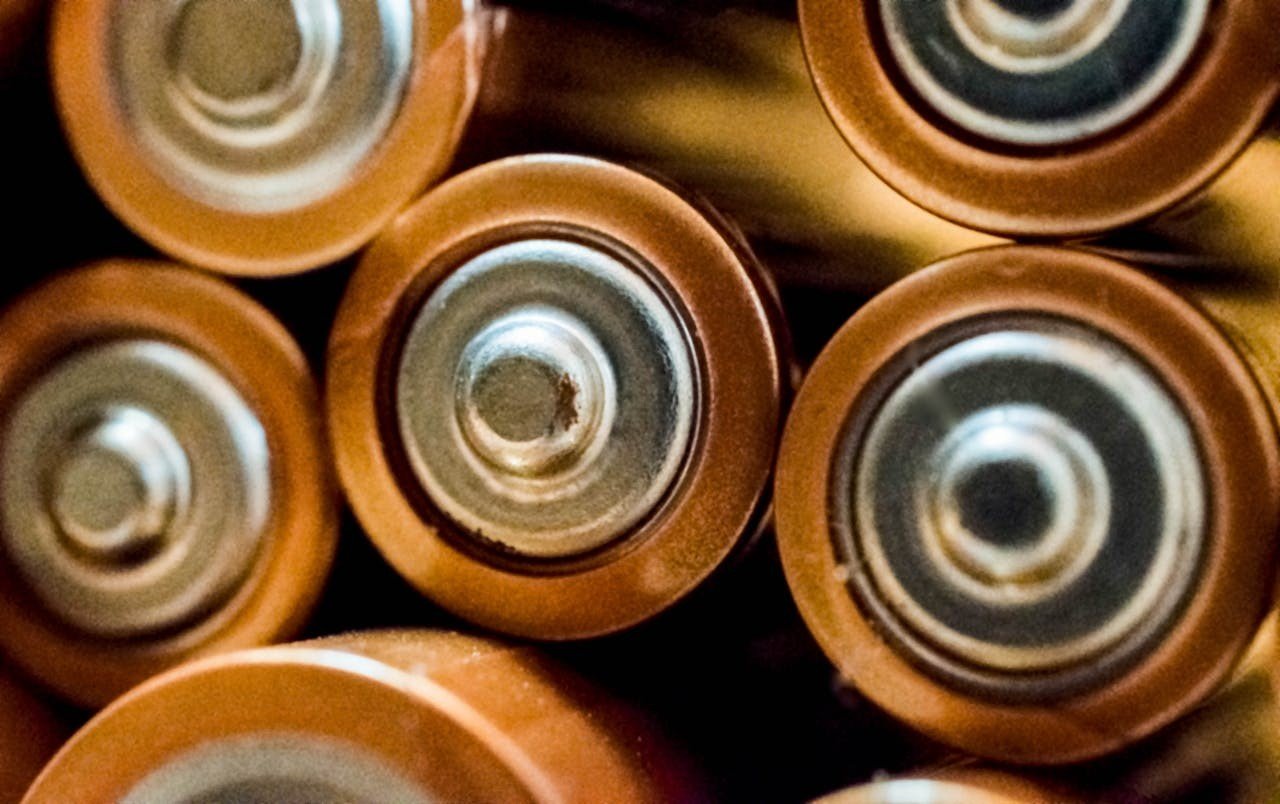
Forgetting to Remove Batteries from ElectronicsHunting electronics are incredibly useful—game cameras, GPS units, rangefinders, lights, and thermal gear all play huge roles in a successful season. But when the off-season arrives, many hunters store them with the batteries still inside. Over time, batteries degrade and leak, leaving behind corrosive residue that damages circuits or makes the device completely unusable.
Overlooking the Importance of a Dedicated Storage Plan
Some hunters treat storage as an afterthought rather than a strategic part of their season routine. Without a plan, things get misplaced, tools wear down, and essential items break without anyone noticing. Creating a thoughtful system helps extend the life of your equipment and simplifies next season's preparation.
A dedicated storage plan could mean setting aside a small room, closet, or even partnering with professionals if you're in the middle of relocating. This is where mentioning a moving company can make sense. Hunters sometimes move their gear into new homes or cabins after a season ends, and turning to Pro Alliance Services can ensure their equipment is packed, transported, and stored safely. This kind of support keeps gear protected during transitions and prevents accidental damage from rushed packing or poor handling.
Using Poor Storage Containers That Trap Odors or MoistureStorage containers may seem simple, but choosing the wrong ones leads to big problems. Plastic bins without ventilation trap moisture, creating a hidden environment where mold thrives. Cardboard boxes absorb odors and weaken over time. Soft bags may hold moisture close to the fabric and leather.
A suitable container depends on the type of gear you're storing. Hard, airtight containers work well for items sensitive to moisture. Breathable fabric bags are ideal for clothing that needs airflow. Weapon cases with humidity regulators are perfect for firearms. Thinking carefully about the container ensures your gear stays safe all year long.
Leaving Gear Piled Together Instead of OrganizedHunters often toss everything in one spot during the excitement of wrapping up a season. The result is piles of boots, clothing, knives, tools, optics, and accessories stacked on top of each other. Compression damages gear, and mixing delicate items with heavy ones causes dents, folds, and tears.
Organizing your equipment before storage creates a structured system that protects everything and prevents frustration next year. Keeping optics in their own padded section or rifles separate from bulky gear makes it easier to find what you need when it's time to prepare for opening day.
Neglecting Optics and Their Special Care Needs
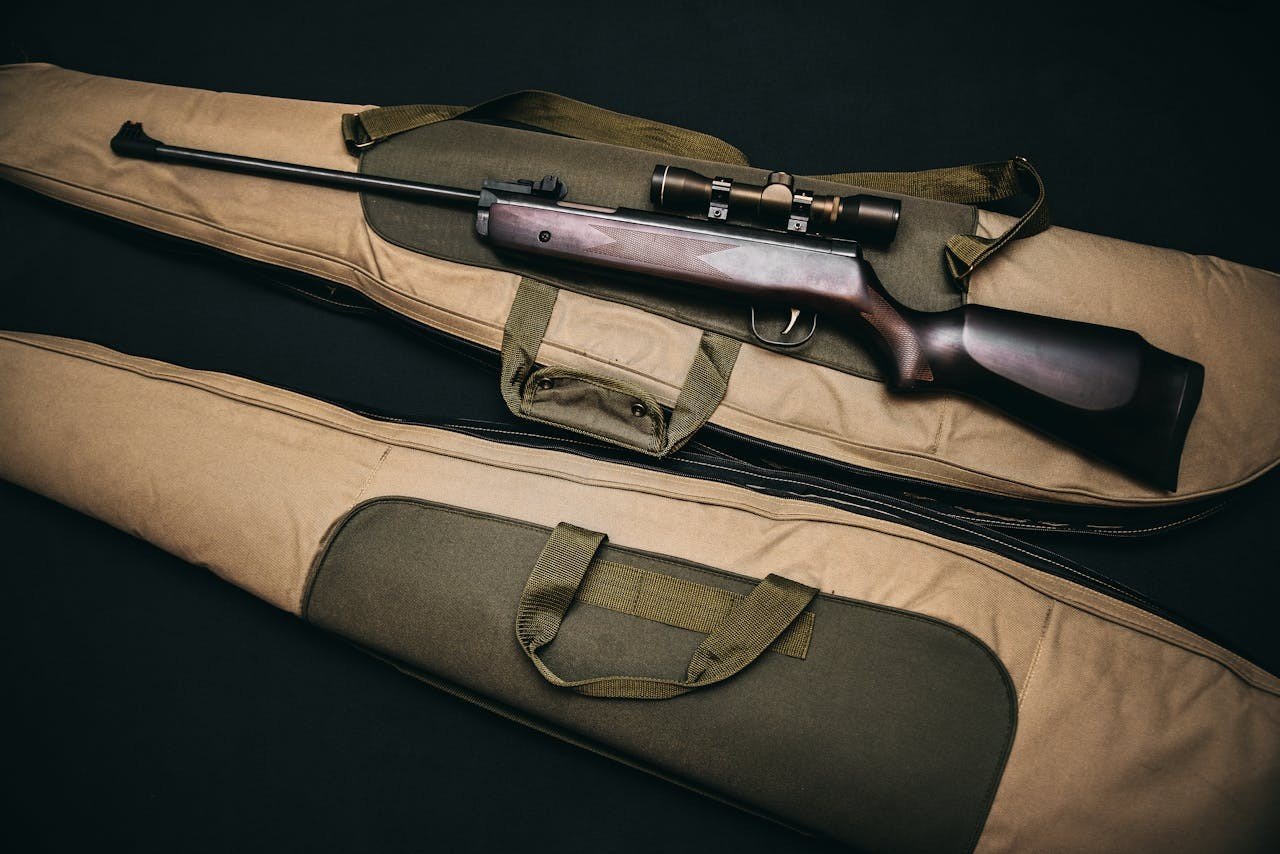
Optics are among the most expensive and sensitive pieces of hunting gear. They rely on clean lenses, precise adjustments, and protective housing. Storing binoculars, scopes, or rangefinders without cleaning them first leads to dust buildup, film on the glass, or mold in the lens assembly. Placing them in damp environments accelerates this damage.
Optics should always be cleaned with proper tools, stored in padded cases, and kept in dry locations. They also benefit from being checked periodically during the off-season. A quick inspection ensures seals are intact, lens coatings are undamaged, and mechanical adjustments work as expected.
Forgetting About Scent Control During StorageFor hunters who depend on scent control, storage mistakes can undo months of effort. Clothing stored near chemicals, scented products, or household items absorbs odors. Boots stored in the wrong place pick up smells from fuel, rubber, or even plastic storage materials.
Keeping scent-control items in a neutral environment helps maintain their effectiveness. Using scent-free containers or storing gear in a dedicated part of your home ensures your clothing and accessories remain neutral for next season.
Not Checking Stored Gear During the Off-SeasonEven when gear is stored properly, it still deserves a quick check every now and then. Temperature fluctuations, humidity changes, and long periods of inactivity can cause slow but steady deterioration. A simple mid-season inspection reveals issues before they become expensive problems. Catching rust early, noticing mold growth on fabric, or replacing batteries before they leak, prevent unpleasant surprises when it's time to gear up again.
Making this habit ensures your equipment stays in top shape all year. It also reminds you of what needs upgrading, what needs repairs, and what you might want to improve before next season begins.
Starting Your Next Season StrongPost-season gear storage mistakes can cost hunters far more than time and money. They can rob you of confidence, reduce performance in the field, and create unnecessary stress during a season that's supposed to be enjoyable. By understanding what causes damage and taking simple steps to store your equipment properly, you protect your investment and start your next season strong. Whether it's cleaning your tools, drying your clothing, removing batteries, or choosing the right storage environment, every thoughtful action pays off later.
https://www.pexels.com/photo/black-and-white-electric-guitar-6620412/
https://www.pexels.com/photo/close-up-photo-of-batteries-698485/
https://www.pexels.com/photo/black-rifle-with-scope-and-brown-gig-bag-864987/
About the author