Hunting and Fishing News Blog Articles
Transitioning From Urban Life To A Full-Time Hunting And Fishing Lifestyle
For many people living in cities, the idea of trading traffic noise, crowded sidewalks, and fast-paced routines for quiet mornings in the woods or on the water sounds incredibly appealing. The desire to reconnect with nature, live more independently, and enjoy outdoor traditions like hunting and fishing has inspired countless individuals to rethink their lifestyles. However, transitioning from urban life to a full-time hunting and fishing lifestyle involves more than simply moving closer to nature. This kind of lifestyle change requires thoughtful planning, patience, and a willingness to learn new hunting tips. The good news is that with proper preparation and realistic expectations, the transition can be deeply rewarding.
Understanding What the Hunting And Fishing Lifestyle Truly InvolvesThe hunting and fishing lifestyle is often romanticized, but in reality, it includes responsibility, discipline, and long hours outdoors. Successful hunters and anglers invest time learning animal behavior, local ecosystems, weather patterns, and seasonal changes.
Unlike urban hobbies that can be scheduled around convenience, hunting and fishing often depend on timing and conditions. Early mornings, cold weather, and patience become part of daily life. Those who embrace the challenge usually find that the effort strengthens their appreciation for nature and the food they harvest.
This lifestyle is also closely tied to conservation. Responsible hunters and anglers play an important role in wildlife management and habitat preservation. Understanding local regulations and ethical harvesting practices is an essential part of the transition.
Choosing the Right LocationOne of the most important steps in transitioning to a rural lifestyle is choosing the right location. Access to public land, nearby lakes or rivers, and healthy wildlife populations all influence how successful and enjoyable your new routine will be.
Some people prefer remote areas surrounded by forests and wilderness, while others choose smaller rural communities that offer both outdoor access and essential services. Climate also plays a role, especially for those planning to hunt multiple species or fish throughout different seasons.
Researching local wildlife regulations, hunting seasons, and fishing opportunities can help determine whether an area truly supports the lifestyle you envision.
Learning Local Wildlife and EcosystemsEach region has its own wildlife patterns and ecological balance. A hunter who moves from the city to a rural environment must learn how animals behave in that specific area. Deer migration routes, waterfowl habitats, and fish spawning seasons vary widely depending on geography.
Spending time observing the environment is just as important as actively hunting or fishing. Many experienced outdoorsmen spend months scouting terrain, tracking animal movement, and studying natural food sources before taking their first shot or casting a line.
Learning the land builds confidence and dramatically improves success rates over time.
Adjusting to a Slower Pace of Life
One of the biggest differences between urban and rural lifestyles is the pace of daily life. Cities often revolve around strict schedules, quick errands, and constant movement. Rural areas operate differently.
Nature sets the rhythm. Weather conditions, daylight hours, and seasonal cycles influence what happens each day. Hunting seasons come and go, fish move according to water temperatures, and outdoor tasks depend heavily on the environment.
For many former city residents, this shift initially feels unusual. Over time, however, the slower pace often becomes one of the most enjoyable aspects of the lifestyle.
Managing Equipment and StorageA fishing and hunting lifestyle often involves more gear than people initially expect. Firearms, bows, fishing rods, tackle boxes, waders, boats, and camping equipment all require safe and organized storage.
People moving from apartments or small city homes sometimes need extra space to keep their equipment protected and accessible. Outdoor gear must remain dry, secure, and properly maintained throughout the year.
In some cases, using a storage unit can help manage seasonal equipment or larger items like boats or trailers. When selecting a unit, it's important to choose a size that provides enough space for your needs while allowing room to organize equipment properly. Understanding how to pick the right storage unit size can make a big difference when storing hunting gear, fishing equipment, and outdoor supplies between seasons.
Developing Outdoor SkillsSuccess in hunting and fishing requires a variety of practical skills. Tracking animals, field dressing game, reading water currents, tying fishing knots, and maintaining equipment all become part of daily life.
Urban newcomers may need time to develop these abilities. Taking local classes, joining outdoor clubs, or learning from experienced hunters and anglers can make the transition easier.
Hands-on learning is especially valuable. Many lessons come from direct experience—missed opportunities, changing weather conditions, or unexpected wildlife encounters.
Understanding Local Laws and RegulationsEvery region has specific rules governing the recommended hunting and fishing tips. These regulations protect wildlife populations and ensure that outdoor activities remain sustainable for future generations.
Licenses, permits, bag limits, and seasonal restrictions must all be carefully followed. New residents should spend time reviewing local wildlife agency guidelines and attending safety courses if necessary.
Following regulations not only protects wildlife but also builds respect within the local outdoor community.
Building Connections in the Outdoor CommunityOne of the most valuable resources for anyone transitioning into a rural lifestyle is the local outdoor community. Experienced hunters, anglers, and conservation groups often share valuable knowledge about terrain, seasonal patterns, and best practices.
Community connections also create opportunities for mentorship. Many newcomers learn essential skills from individuals who have spent decades exploring local forests, rivers, and lakes.
These relationships often grow into lasting friendships built around shared respect for nature and outdoor traditions.
Preparing Financially for the TransitionMoving away from urban environments can change financial priorities. Some rural areas offer lower housing costs, but expenses related to equipment, travel, and property maintenance may increase.
Hunting licenses, fishing gear, fuel for reaching remote locations, and maintenance for boats or ATVs all require budgeting. Planning ahead helps avoid surprises and ensures that outdoor activities remain enjoyable rather than stressful.
Many people transitioning to this lifestyle also adopt simpler spending habits. Less emphasis on city entertainment often leads to more time spent outdoors, which can be both rewarding and cost-effective.
Alt. text: A person calculating money
Caption: Moving away from urban environments can change financial priorities.
Mental and Emotional AdjustmentsTransitioning from city living to a rural lifestyle also involves mental adjustments. Urban environments provide constant activity, entertainment, and social interaction. Rural living can feel quieter and sometimes more isolated.
However, many people find that time in nature provides its own sense of balance. The act of tracking animals, watching wildlife, or handling fish with care along a quiet shoreline encourages patience and reflection.
Over time, the connection with the natural world often replaces the need for constant stimulation.
Finding Balance Between Tradition and Modern LifeEven those who pursue a full-time hunting lifestyle rarely disconnect completely from modern conveniences. Technology, communication, and transportation still play an important role.
Many hunters and anglers use GPS devices, weather apps, and wildlife tracking technology to improve their success. Online communities and conservation organizations also provide valuable information and support.
The key is finding a balance that allows you to embrace outdoor traditions while still benefiting from modern tools and resources.
Living in Harmony With NatureTransitioning from urban life to a full-time hunting and fishing lifestyle is a meaningful journey that requires preparation, patience, and adaptability. It is not simply about moving to a rural location but about learning how to live in harmony with the natural environment. By choosing the right location, developing outdoor skills, understanding regulations, and connecting with experienced members of the community, newcomers can gradually build confidence and experience. The process may take time, but the rewards often extend far beyond successful hunts or productive fishing trips.
https://www.pexels.com/photo/landscape-nature-man-summer-6669391/
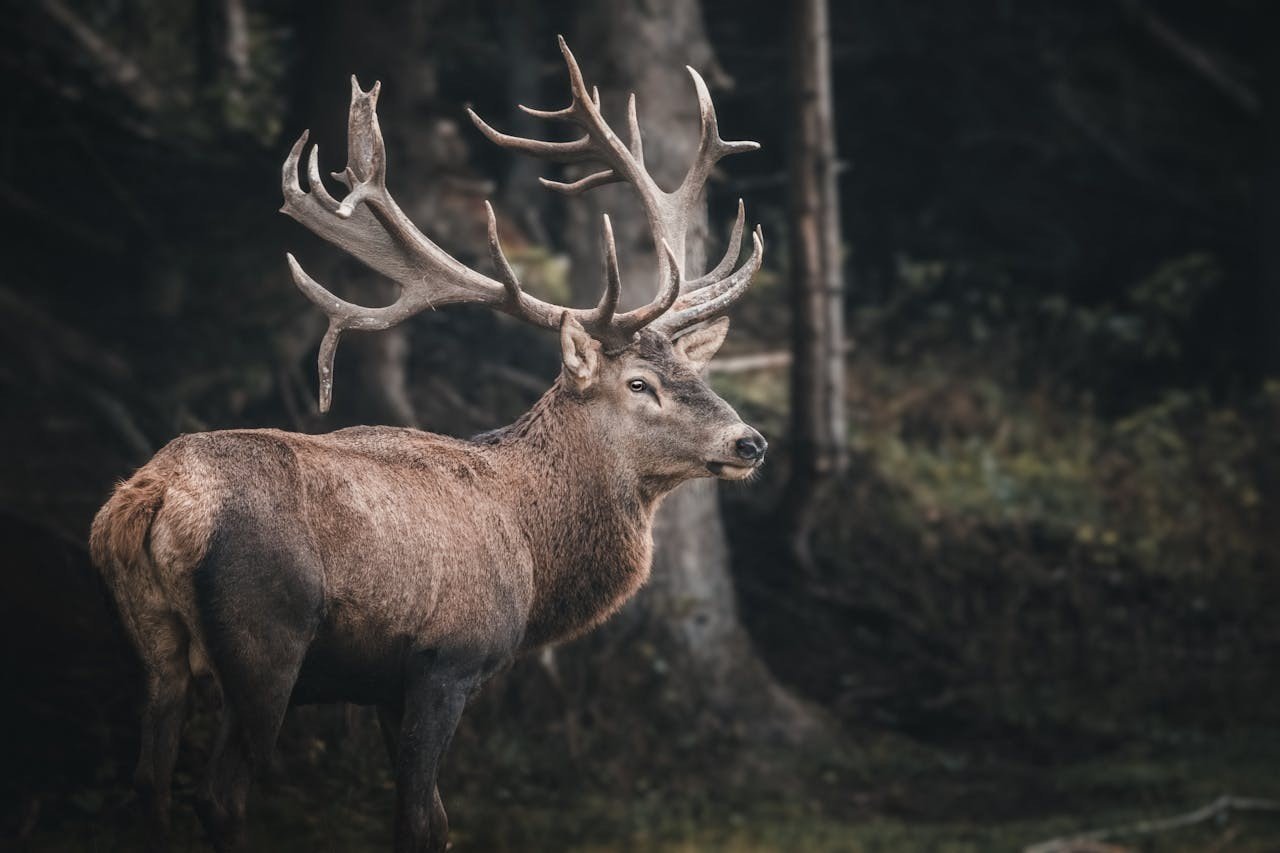
https://www.pexels.com/photo/brown-deer-near-tree-3329812/
https://www.pexels.com/photo/woman-calculating-money-and-receipts-using-a-calculator-5900228/e ...
About the author