Hunting and Fishing News Blog Articles
How to Choose the Right Hunting Lease After Relocating
Relocating can mean leaving behind years of hunting knowledge. New ground, new people, and new rules can make things confusing. Every region has different game and hunting seasons. If you want a good hunting lease in your new area, you must learn quickly. That includes more than just signing a contract. You need to know the land, the rules, and the people around it. With this in mind, here's how to choose the right hunting lease after moving.
Handle Post-Move Tasks That Impact Your Hunting PlansAfter settling into your new home, it's easy to focus on unpacking and bills. Nevertheless, certain essential post-move tasks can directly affect how you choose the right hunting lease — especially if you've moved to a state with strict hunting laws, such as Ohio.
For example, you'll need to update your residency status. Many states require proof of residency for local hunting licenses and tags. Without that, you could face much higher non-resident fees. Besides, you might miss out on some local-only opportunities.
Another key point—register your vehicle if you plan to drive it on leased hunting land. Some leases restrict access unless your vehicle is tagged in-state. With this in mind, handle DMV tasks early to avoid losing valuable hunting time.
You should also update your hunting license and permits. This may include taking a hunter education course if your old certifications don't match local rules. As an illustration, missing this step could delay your first hunt for months.
Understand Local Game Populations and Seasons
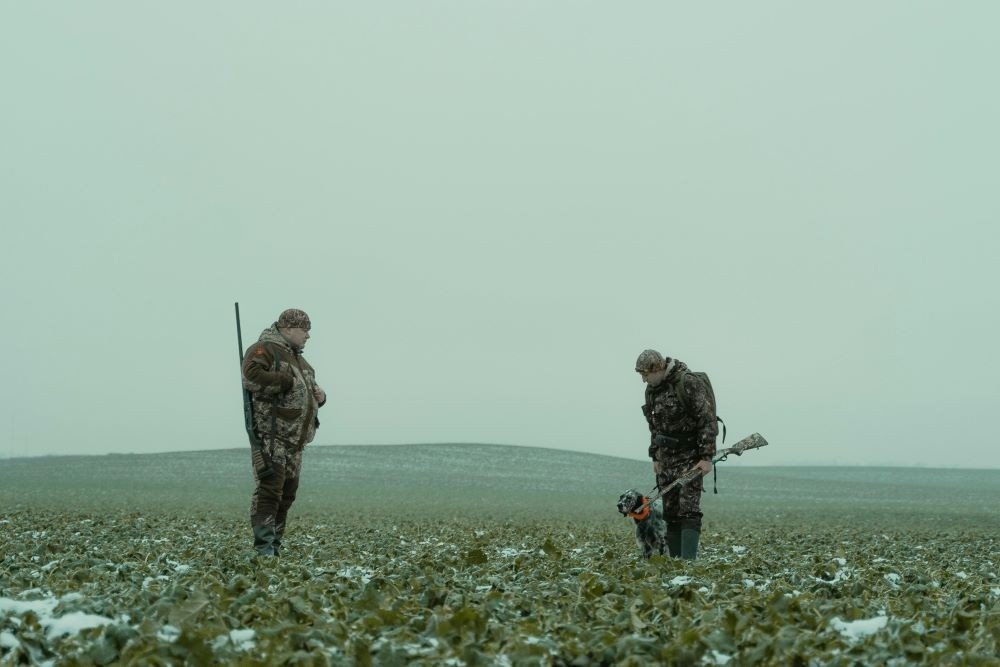
Don't assume the animals you're used to are available nearby. Some states have a high population of deer. Others are better for waterfowl or turkey. As a matter of fact, even tag systems and season dates vary widely.
Start by checking your state's fish and wildlife website. These sites often have maps, reports, and harvest data. Besides that, you can talk to local biologists or hunting clubs. They know what's common and what's rare in the area.
Another key point—pay attention to weather and habitat. That affects where the game lives and moves. For example, thick woods may hold deer during the day. Open fields might be better for evening hunts.
Evaluate Lease Location Based on Travel Time and Terrain
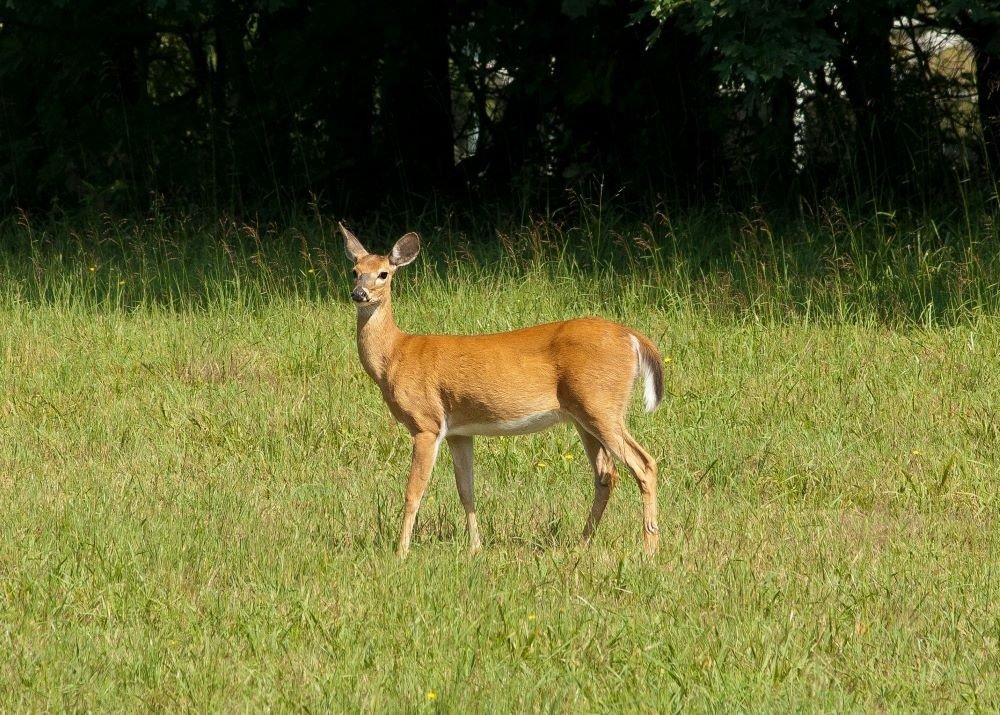
Distance matters. If your lease is too far away, you won't use it much. Map out how long it takes to get there. Include stops for gas, food, or supplies. In short, shorter trips mean more time in the woods.
Terrain is just as important. Some hunters prefer flat land for easier walking. Others want hills or swamps for better deer movement. With this in mind, ask yourself—do you want comfort or challenge?
As an illustration, a steep lease with limited access roads may require an ATV. In contrast, flat ground near farm fields could be easier for older hunters or kids. Of course, the terrain also affects how and where you set up stands.
Check for Lease Management and Landowner Reputation
A good lease often depends on how the land is managed. Does the owner plant food plots? Are there water sources or bedding areas for deer? These details make a big difference in wildlife numbers.
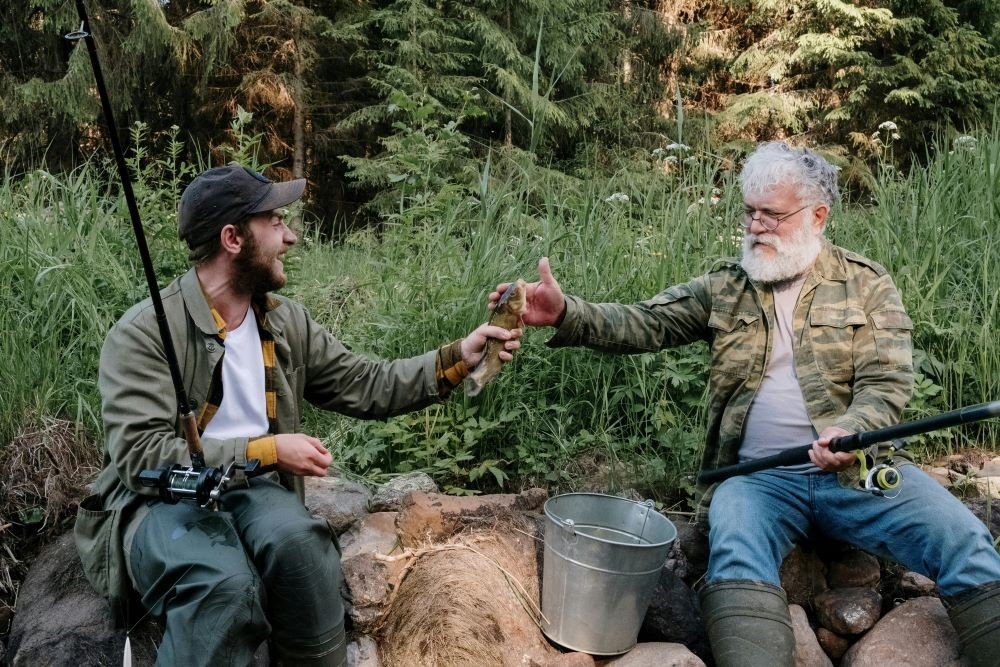
Ask the landowner if they actively manage the property. If they do, get specific. Do they mow, burn, plant, or control predators? Similarly, ask who hunted there before and if they saw success.
Another key point—talk to neighbors or locals about the landowner. Are they helpful or hard to deal with? Trust matters. You want a lease that's safe, legal, and stress-free.
Look Into Lease Rules and Hunting RightsNot all leases allow the same things. Some let you hunt year-round. Others limit it to deer season. Make sure you understand the rules in full.
Can you bring guests? Can you build stands or bring feeders? These are key things to know before signing. Also, find out if others are allowed on the land. Shared leases often mean more pressure and less game.
With this in mind, read the lease agreement line by line. Look for rules about shooting hours, parking areas, and camping. Ask about liability insurance. Some owners require it to protect themselves and you.
Assess Cost, Payment Terms, and Contract ConditionsPrices for leases vary. Location, size, and quality all affect cost. Before you pay, compare a few options. Talk to other hunters or brokers to find a fair rate.
Of course, price is just the start. Ask how payments work. Is it a lump sum or monthly? Are deposits refundable? What happens if you want to cancel early?
Another key point—watch for hidden costs. Some leases require road maintenance or building blinds. Others have land taxes built into the rent. Knowing this early prevents problems later.
Scout the Land Before CommittingYou wouldn't buy a house without seeing it. A lease should be the same. Walk the land before you sign. If that's not possible, ask for recent photos or video.
Look for signs of game. Tracks, rubs, droppings, and trails all show activity. As an illustration, a well-worn trail between water and bedding is a good sign.
Use satellite maps to spot key features. Where are the food sources? Where do animals bed? Is there a water source nearby?
Check for roads, fences, and nearby homes. All of these can affect hunting pressure and animal movement. In short, boots on the ground give you the full picture.
Build Relationships With Locals and Fellow HuntersYou can learn a lot by talking to locals. Ask about leases that aren't listed online. Many great spots are passed by word of mouth.
Besides that, local hunters know what works in the area. They can tell you which areas are overhunted or which seasons are best. With this in mind, join a hunting club or group to make connections.
Another key point—local friends can help you recover game or share gear. A good network can turn a decent lease into a great one.
Final Thoughts: Choose the Right Hunting Lease With ConfidenceFinding a great hunting lease after relocating takes time. Don't rush into it. Instead, focus on your needs, your budget, and your time. Do you want to hunt often or just a few weekends? Are you after trophy animals or just meat? These questions help you focus. Research the game, study the rules, and always walk the land. Talk to locals, compare costs, and know the owner. You'll be better prepared to choose the right hunting lease and enjoy your new hunting grounds with confidence.
Pics:
https://www.pexels.com/photo/brown-deer-756758/
https://www.pexels.com/photo/man-in-green-jacket-holding-a-man-in-green-jacket-4830337/
https://www.pexels.com/photo/two-men-carrying-rifle-6204534/
About the author