



Hunting and Fishing News Blog Articles
How to Navigate Hunting Regulations in a New State
Relocating to a new state can be an exciting chapter in your life, but moving also comes with challenges if you're an avid hunter. Hunting regulations vary significantly across states, and understanding your new location's specific rules and guidelines is essential to enjoying your passion legally and safely. Whether you're a seasoned hunter or new to the sport, this guide will help you navigate the complexities of hunting regulations in a new state.
Understanding State-Specific Hunting RegulationsEach state governs hunting through its wildlife agency, setting rules that reflect its unique environment and wildlife population. When moving to a new state, start by researching the governing body—often a Department for Fish and Wildlife or a similar organization. These agencies provide resources, including hunting season dates, bag limits, and legal take methods.
Regulations often differ based on species, equipment, and even geographical zones within the state. Pay close attention to these distinctions to ensure compliance. Online guides, printed manuals, and direct consultations with local offices can all be valuable resources.
Securing the Appropriate Licenses and PermitsBefore you can legally hunt in a new state, you'll need to obtain the necessary licenses and permits. Most states require hunters to purchase a base hunting license and additional tags or stamps for specific species. If you've recently moved, verify whether your current permit is transferable or if you must apply as a non-resident during the transition period.
Some states require hunters to complete a safety or education course before issuing a license. If you've completed such training in another state, check if it's recognized in your new location, as reciprocity agreements are common but not guaranteed.
Learning About Hunting SeasonsHunting seasons vary widely depending on the state, the species being hunted, and the method used. Some states have multiple seasons for the same species, divided by weapon types—such as archery, muzzleloader, or rifle. Understanding these seasons is crucial to planning your hunts effectively and staying within legal boundaries.
Be sure to note whether your new state has specific hunting seasons for migratory birds. Federal and state regulations often govern these. Keeping a calendar with all relevant dates can help you stay organized and avoid unintentional violations.
Familiarizing Yourself with Bag Limits and Tag RequirementsBag limits dictate the number of animals you can harvest and are a cornerstone of hunting regulations. These limits often differ based on species, gender, and hunting zones. Many states also use a tagging system to monitor wildlife populations, requiring you to attach a tag to your harvest immediately.
Tags are often limited in number and may be issued through lotteries or other competitive processes. As a new resident, familiarize yourself with the application deadlines and requirements to ensure you're prepared for the hunting season.
Understanding Land Access and Private Property RulesAccessing hunting land can be one of the trickiest aspects of relocating. Many states offer public hunting lands, but regulations about how and when these lands can be used vary. Check your state's public land maps and guidelines to identify legal hunting areas.
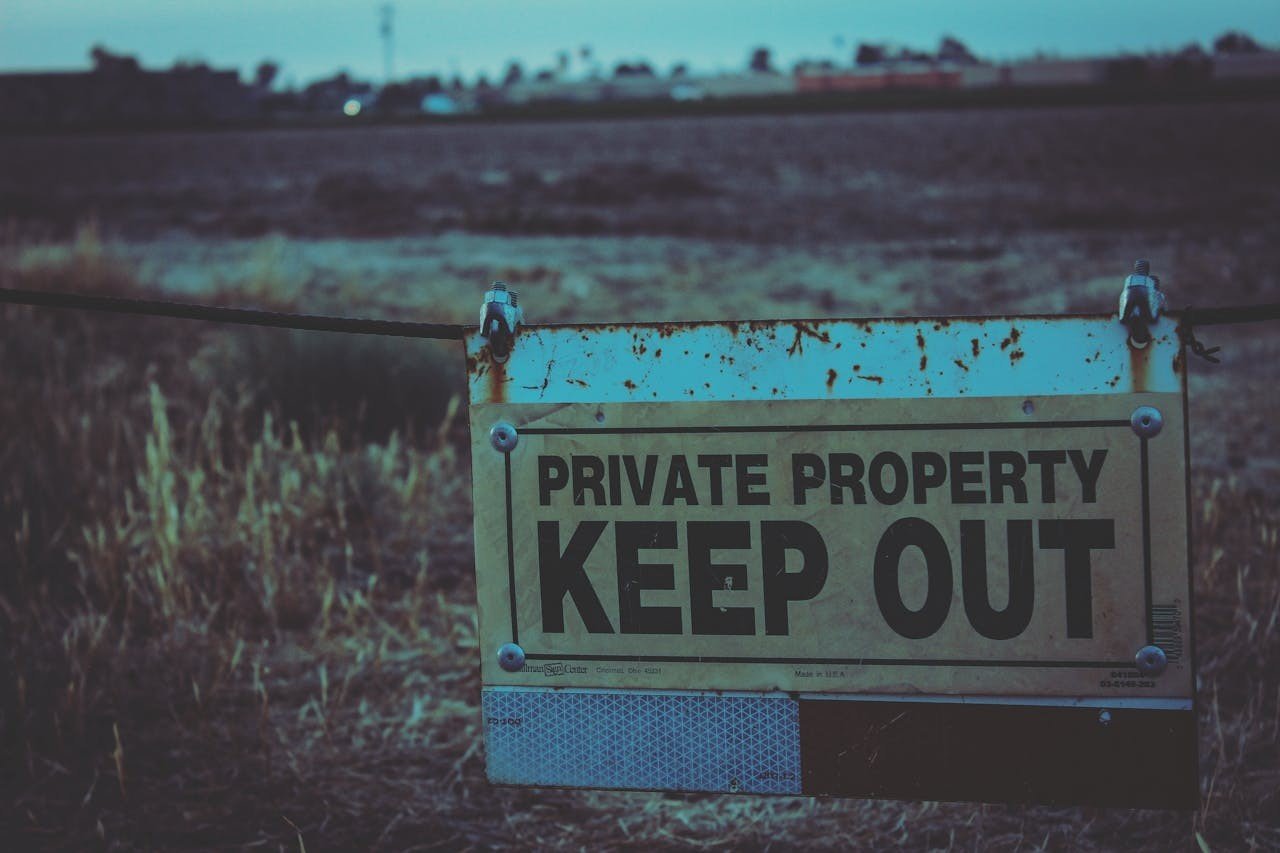
If you prefer to hunt on private property, ensure you have explicit permission from the landowner. Trespassing laws are strictly enforced, which can result in severe penalties. Building relationships with local landowners can be beneficial, especially if you're new to the area.
Preparing for Local Wildlife and Habitat Differences
Each state has its unique ecosystem, which means you may encounter different species and habitats than you're used to. Study local wildlife and understand how the terrain may impact your hunting strategies. For example, mountainous regions may require more physical preparation, while wetlands might necessitate different gear.
Consult local hunters or join community forums to learn best practices for your new environment. Understanding local game behavior and patterns will enhance your hunting experience and success.
Adapting to New Gear RegulationsStates often have specific rules about the type of hunting equipment you can use. These may include restrictions on firearm calibers, archery equipment, or hunting apparel, such as blaze orange requirements. If you're relocating, review these rules carefully to ensure your existing gear complies.
For instance, some states may prohibit certain scopes or ammunition types, while others mandate specific safety features. Updating your equipment before the season begins will save you time and frustration in the field.
Staying Updated on Conservation LawsHunting regulations often evolve to reflect the latest conservation efforts. These laws are designed to protect wildlife populations and maintain ecological balance. Stay informed by subscribing to the state's wildlife agency newsletters or attending local hunter education events.
Participating in conservation programs or initiatives can deepen your connection to the local hunting community. Many states offer opportunities to contribute to wildlife preservation, such as habitat restoration projects or volunteer hunts for population control.
Navigating Moving Logistics as a HunterRelocating can be challenging for hunters with extensive gear collections, especially in the case of an interstate move. Therefore, consider using temporary storage to simplify the process, which offers a secure and flexible solution. A well-maintained storage unit provides a safe place to keep hunting equipment, firearms, and other essentials while you get settled and ensure compliance with local hunting regulations.
However, when selecting a storage facility, prioritize options with robust security measures and climate-controlled units to safeguard your gear from theft, humidity, or temperature fluctuations. Be sure to organize your storage space effectively by carefully labeling boxes and arranging items for easy access. These precautions protect your valuable equipment and help streamline your transition to a new hunting environment.

Building Connections with the Local Hunting Community
Joining a local hunting club or organization is one of the best ways to acclimate to the hunting culture in your new state. These groups often share valuable knowledge about local regulations, best practices, and prime hunting locations.
Attending community events, such as wildlife expos or hunter safety workshops, can also help you meet fellow enthusiasts and establish a network of hunting companions. Building these connections can make the transition smoother and more enjoyable.
Conclusion
Navigating hunting regulations in a new state may seem daunting. Still, with the right preparation and resources, expanding your skills and exploring new environments can be exciting. By understanding state-specific rules, securing the appropriate licenses, and immersing yourself in the local hunting community, you'll set yourself up for success. Remember to stay informed, adapt to new challenges, and embrace the adventure of hunting in unfamiliar terrain. Your passion for the sport will guide you as you create new memories in your new home.
Photos Used
https://www.pexels.com/photo/private-property-keep-out-signboard-733732/
https://www.pexels.com/photo/blue-and-red-freight-truck-on-road-172074/
About the author