Hunting and Fishing News Blog Articles
Packing Smart For Multi-Day Backcountry Adventures
Venturing into the backcountry for several days at a time is both thrilling and demanding. Every ounce in your pack matters, every item you bring serves a purpose, and every decision you make before stepping onto the trail can affect the success of your trip. Packing smart for multi-day backcountry adventures isn't about cramming everything you own into your backpack—it's about strategy, balance, and knowing how to make the most of limited space. Whether you're planning a week-long trek through mountain terrain or a few nights by a remote lake, mastering the art of packing will ensure your adventure is as safe, comfortable, and enjoyable as possible.
Multi-Day Backcountry Adventures: Understanding the Backcountry MindsetUnlike casual camping, backcountry trips require a completely different mindset. You're often miles away from civilization, so there's no quick fix if you forget something essential. The key is to pack with intention. Think beyond convenience and focus on survival, efficiency, and versatility. Every item should serve multiple functions, withstand the elements, and justify its weight in your pack. This approach is what separates a seasoned adventurer from a struggling hiker weighed down by unnecessary gear.
Choosing the Right PackBefore you start packing smart for multi-day backcountry adventures, your backpack itself deserves serious thought. A multi-day pack should fit your torso length, distribute weight evenly across your hips and shoulders, and offer the right capacity for your trip. For most multi-day adventures, a pack between 50 and 70 liters is ideal.
Look for adjustable suspension systems, waterproof materials, and external attachment points for trekking poles or sleeping pads. A poorly fitted pack can lead to shoulder pain, fatigue, and imbalance on the trail, turning an exciting journey into an uncomfortable struggle.
Managing Gear Between TripsIf you're someone who frequently heads out for backcountry adventures, you know that storing your gear properly between trips is crucial. Many who move between cities or travel for extended periods invest in long-term storage for frequent travelers. Having a secure spot to keep your items ensures your outdoor gear stays protected, dry, and organized until your next journey. Proper storage also helps preserve the lifespan of your equipment—especially sleeping bags, tents, and electronics that can degrade if left in damp or cramped conditions.
Organizing Gear for AccessibilityPacking smart isn't just about what you bring, but how you organize it. Accessibility can make a big difference when you need to grab something quickly during a storm or while setting up camp in fading light. Place heavier items close to your spine to maintain balance. Keep frequently used items, like maps, snacks, and rain gear, near the top or in outer pockets. Compression sacks are great for saving space and keeping your gear dry. This methodical approach to organization keeps your pack balanced and your essentials easy to reach.
Layering for Weather VersatilityThe weather in backcountry environments can shift dramatically in a matter of hours. Packing smart means being prepared for everything—from blazing sun to sudden downpours and chilly nights. The layering system is your best friend. Start with a moisture-wicking base layer that keeps sweat off your skin. Add an insulating mid-layer, like fleece or down, to trap warmth. Finish with a waterproof and windproof outer shell that protects you from the elements. This adaptable approach lets you adjust your clothing throughout the day without overpacking.
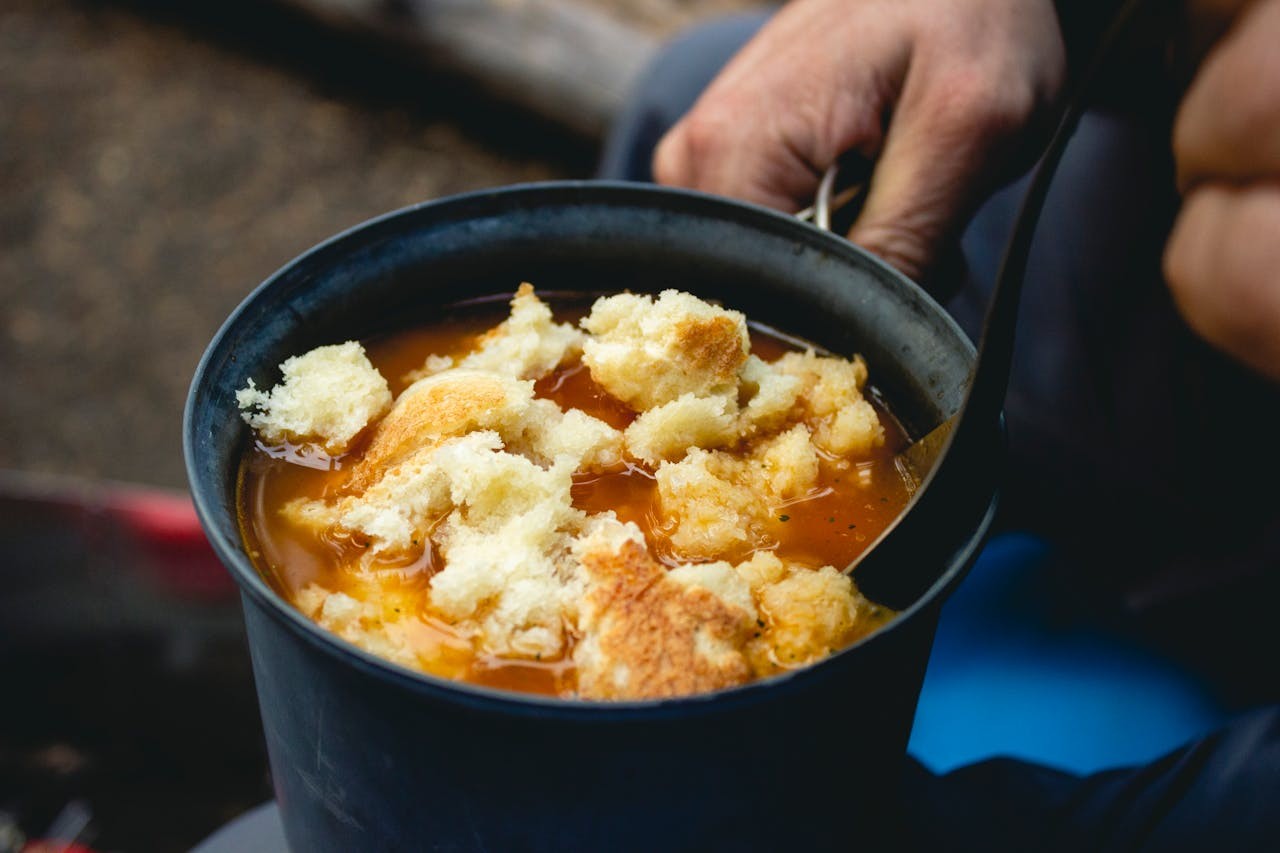
Efficient Food and Water PlanningFood and water are your primary sources of energy in the wilderness. The challenge is finding the balance between enough sustenance and too much weight. Dehydrated meals are an excellent choice for multi-day trips—they're lightweight, easy to prepare, and nutritious. Supplement these with high-calorie snacks like nuts, energy bars, and jerky. When it comes to water, always carry a reliable filtration or purification system. Relying solely on bottled water is impractical in the backcountry, so having a compact filter ensures you can safely drink from streams and lakes along your route.
Shelter and Sleep Essentials
A good night's rest can make or break your backcountry adventure. Your shelter setup should provide protection without weighing you down. Lightweight backpacking tents, bivy sacks, or hammock systems are all excellent options, depending on the terrain. Pair your shelter with an insulated sleeping pad for comfort and a sleeping bag suited to the coldest expected temperature. Pay attention to materials—down bags pack smaller but lose insulation when wet, while synthetic options are heavier but retain warmth even in damp conditions.
Minimizing Weight Without Sacrificing ComfortOne of the biggest challenges of packing smart for multi-day backcountry adventures is minimizing weight without compromising comfort or safety. Go through every item and ask yourself if it's truly necessary. Multi-use gear can help immensely. For example, a bandana can serve as a towel, head covering, or water filter pre-screen. A lightweight pot can double as a bowl. Consider the cumulative weight of small items—those extra gadgets or duplicate pieces of clothing add up faster than you think. The goal is to travel light enough to move efficiently but still have what you need for comfort and survival.
Handling Hygiene and Waste ResponsiblyMaintaining hygiene in the backcountry can be simple if you pack smartly. Biodegradable soap, a quick-dry towel, and a small toothbrush kit will keep you clean without adding much weight. Always follow Leave No Trace principles when it comes to waste. Pack out what you pack in, and use a trowel to dig catholes for human waste when necessary. Responsible packing not only helps protect the wilderness but also makes your experience more pleasant and sustainable.
Safety and Navigation EquipmentEven the most experienced adventurers know that safety gear is non-negotiable. A well-stocked first aid kit should always be part of your pack. Include items like bandages, antiseptic wipes, blister treatments, and pain relief medication. Navigation tools are equally vital. Carry a map and compass even if you have a GPS device—batteries can fail, and signals can drop. A headlamp with extra batteries ensures visibility at night, and an emergency whistle or signaling mirror can make all the difference if you find yourself in distress.
Packing for Peace of MindSmart packing goes beyond weight and efficiency—it's about peace of mind. Knowing that you have the right gear, properly packed, gives you confidence to focus on the experience instead of worrying about what you might have forgotten. It means fewer surprises, smoother routines, and more time to appreciate your surroundings. When you pack intentionally, every step you take feels lighter, both physically and mentally.
Sustainable Packing ChoicesAs more adventurers head into the wilderness, sustainability should be a guiding principle. Choose reusable items over disposable ones whenever possible. Opt for eco-friendly soaps, solar-powered gadgets, and ethically sourced gear. Recycle packaging before hitting the trail, and support brands that prioritize environmental responsibility. Packing smart isn't just about what works best for you—it's also about what's best for the planet you're exploring.

Final Preparations Before You Go
Before setting out, do a full gear check. Lay out everything you plan to bring and assess it critically. Practice packing your bag to ensure it all fits comfortably. Weigh your pack if possible; aim for 20–25% of your body weight as a manageable range for multi-day trips. Test your gear at home—set up your tent, light your stove, and adjust your straps. Familiarity breeds efficiency, and when you're miles from the nearest road, knowing your equipment inside out can make a world of difference.
A Well-Packed Bag
Packing smart for multi-day backcountry adventures is part science, part art, and entirely essential. It's the balance between bringing what you need and leaving what you don't. A well-packed bag lightens your load, sharpens your focus, and lets you immerse yourself fully in the journey ahead. When you prepare with care, organize with purpose, and pack with intention, every trail becomes a little more welcoming, every challenge a little more manageable, and every moment in nature a little more rewarding.
https://www.pexels.com/photo/man-carrying-dog-on-red-backpack-1448056/
https://www.pexels.com/photo/person-cooking-food-in-casserole-1365429/
https://www.pexels.com/photo/person-holding-green-grains-1230157/
About the author