Hunting and Fishing News Blog Articles
Turning Your New Property into a Hunting Base Camp
Buying land opens up new outdoor opportunities. If you hunt, having your own base gives you control and convenience. A dedicated setup can improve safety, comfort, and success during each hunting season. Turning your new property into a hunting base camp helps you make the most of your land.
Choose the Right Area for Camp Setup
Look at maps of your land. Choose a spot that is flat, dry, and close to the game trails. Make sure it is not near public roads. A central location helps reduce walking time. Avoid steep hills and low spots that flood. Use principles from building the best backcountry camp to guide your layout and camp placement. Mark this area for clearing and future setup.
Clear and Prepare the Camp SiteRemove brush, dead trees, and tall grass. Make room for tents, trailers, or a small cabin. Leave a buffer of trees for windbreak and privacy. Keep the ground level and firm. Use gravel if needed to stop mud in wet months. Having a clean space prevents injuries and pest issues.
Protect Your Gear with Climate-Controlled StorageIf you plan to store hunting gear or supplies on-site for long periods, it's smart to opt for climate-control. This helps protect sensitive items from extreme temperatures, moisture, and pests. Bows, firearms, clothing, and electronics last longer when stored in a controlled environment. You can use a small shed with insulation or rent climate-controlled storage nearby.
Build or Set Up Shelter OptionsDecide what shelter works best. A cabin gives long-term comfort. A tent or trailer is cheaper and faster to set up. If you choose a tent, make sure it is heavy-duty. Add a tarp roof for rain protection. Always use fire-resistant materials. A reliable shelter helps you stay warm, dry, and safe.
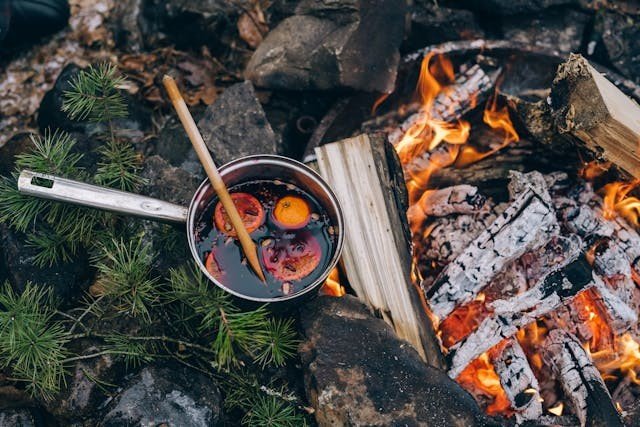
Install a Safe and Efficient Fire PitA fire pit is essential for heat and cooking. Dig a fire ring or use a metal ring kit. Clear a ten-foot radius around it. Stack rocks or bricks to keep flames contained. Keep water or sand nearby. Never leave fires unattended. Good fire safety habits prevent accidents.
Plan for Water and Sanitation Needs
If your land has a well or stream, test the water before use. Bring in clean water if needed. Set up a portable toilet or dig a deep pit latrine away from camp. Keep waste covered and distant from food areas. Sanitation is important for health and hygiene.
Essential Hunting Gear and Camp Supplies Checklist
Turning your new property into a hunting base camp requires the right tools. Review this list and explore recommended gear for base camp to make sure you're fully prepared:
- Firearms and ammunition (legal and appropriate for the game)
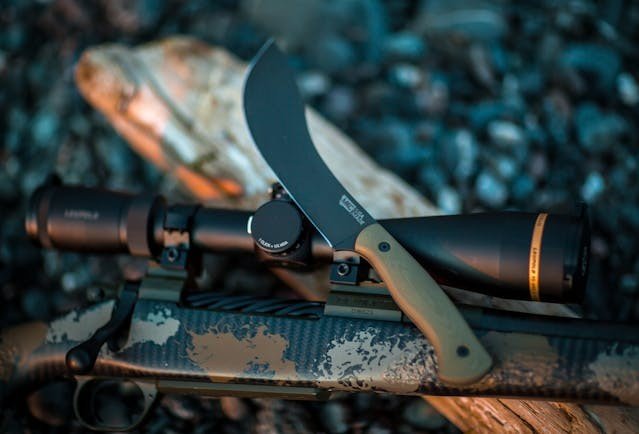
- Sharp hunting knives and field dressing tools
- Weather-resistant tent, cot, and sleeping bag
- Cooking gear: camp stove, utensils, fuel, pots
- Fire-starting materials: matches, lighters, fire starters
- First aid kit with basic medical supplies
- Food storage bins with locks or odor-proof bags
- Trail cameras with extra memory cards and batteries
- Flashlights and headlamps with spare batteries
- GPS, compass, paper map, and whistle
- the game bags and a field cooler or chest
- Scent control sprays and rubber gloves
- Multi-tool, duct tape, and rope
- Rain gear and layered clothing
- Folding chairs and a small camp table
Organize items in storage bins or packs for quick access and easier cleanup after the hunt.
Create Storage for the game and Supplies
You need a way to store meat safely. Bring a cooler with ice packs or set up a small game locker. Hang meat off the ground with the game poles. Protect it from animals and insects. Store all food in sealed containers. Scent control keeps the game nearby and predators away.
Build Simple Trails and Mark Paths
Cut small trails to stands, water sources, and blinds. Use flagging tape or paint to mark them. Keep paths clear and free of debris. Trails save time and help avoid injuries. Use maps or apps to log trails for future hunts. Trail maintenance should happen before each season.
Keep Safety a Top Priority
Post safety rules in camp. Always let someone know where you'll be. Carry a GPS or map and compass. Use blaze orange during hunts. Keep a whistle and flashlight on you. Know basic first aid. Safety steps help prevent emergencies and allow quick response if needed.
Manage Your Property for Wildlife
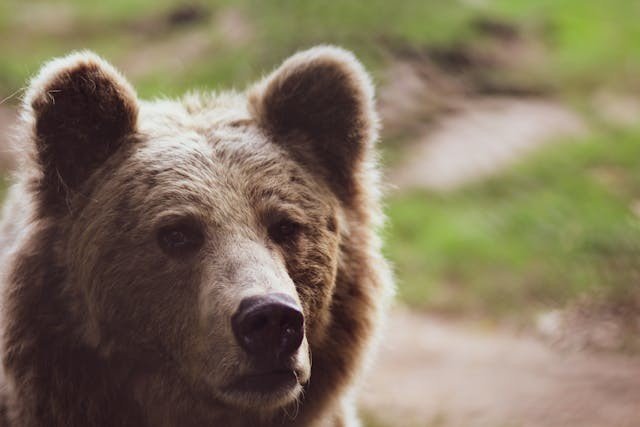
Turning your new property into a hunting base camp means helping the game thrive. Plant food plots or leave native crops. Set up salt blocks or feeders based on local rules. Build water sources if natural ones are far. Keep woods healthy by clearing weak trees and burning brush piles. Also, take steps to keep bears out of your camp by managing food waste and scents properly.
Stay Legal and Respect Local Hunting Rules
Check hunting laws for your state and county. Get permits, licenses, and tags in advance. Post legal hunting signs along your land's border. Know bag limits and shooting hours. Stay up to date on rule changes. Responsible hunters protect access and support conservation efforts.
Prepare for Year-Round Use and ComfortEven if you only hunt in fall, your base camp should work all year. Add insulation or heating if you plan winter visits. Use screened shelters in warm months to block bugs. Keep tools on-site for repairs. Regular visits stop wear and theft. A strong setup supports long-term use.
Turning Your New Property into a Hunting Base Camp Takes TimeYou won't finish this in one weekend. Focus on key steps first. Shelter, fire, water, and gear come before comfort items. Ask friends for help. Track what works and update your setup each season. The goal is a safe, useful, and legal hunting base.
Your Next Steps for a Functional Hunting BasePlanning and preparation can help you build a safe and functional hunting base. With the right gear and setup, your land becomes more useful and productive. Maintain the camp, follow the game laws, and keep improving based on your needs. Turning your new property into a hunting base camp can improve your experience, safety, and success each season.
https://www.pexels.com/photo/wooden-ladle-in-the-pot-6176683/
https://www.pexels.com/photo/black-and-brown-rifle-and-sharp-knife-on-a-wooden-surface-10294862/
https://www.pexels.com/photo/brown-bear-shallow-focus-photography-1499104/
About the author