



Hunting and Fishing News Blog Articles
What to Expect When Hunting in Higher Elevations
Hunting in higher elevations is a unique thrill that flatland hunting simply can't match. The crisp air, sweeping views, and challenging terrain create an adventure that tests both your physical endurance and your mental toughness. But before setting out, it's important to understand the differences that higher elevations bring. Hunting in such environments requires preparation, knowledge, and respect for nature's challenges. Whether you're planning your first mountain hunt or looking to refine your approach, knowing what to expect can help you stay safe and improve your chances of success.
Hunting in Higher Elevations: Understanding the Physical DemandsHunting at higher elevations is much more physically demanding than hunting at lower altitudes. The thinner air means there's less oxygen, which forces your body to work harder even during light activity. Simple tasks such as climbing a ridge, stalking an animal, or even carrying gear can feel twice as difficult. Hunters should expect to tire more quickly and may need more time to recover between efforts. Being physically prepared for a mountain hunt with strong endurance and leg strength is crucial before attempting these hunts.
Global Destinations for Mountain HuntingHigh-altitude hunting isn't limited to one part of the world. From the Rocky Mountains in North America to the Alps in Europe and the Himalayas in Asia, hunters have countless destinations to choose from. Austria, for example, offers stunning alpine landscapes and diverse game species, making it a bucket-list destination for many outdoors enthusiasts. Some even consider the rich natural beauty and opportunities as among the top reasons to live in Austria. Other prime destinations include New Zealand, with its rugged Southern Alps, and Central Asia, where the mountains are home to legendary game such as the Marco Polo sheep.
Altitude Sickness and How to Handle ItOne of the biggest challenges hunters face in the mountains is altitude sickness. This condition occurs when your body struggles to adjust to the lower oxygen levels at higher elevations. Symptoms include headaches, nausea, dizziness, and shortness of breath. It's important to recognize the signs early and rest if needed. Staying hydrated, eating nutritious meals, and ascending gradually can reduce the risk. If symptoms worsen, descending to a lower elevation is often the safest solution.
The Importance of AcclimatizationAcclimatizing to the altitude can make the difference between a miserable hunt and an enjoyable one. Hunters planning to spend time in the mountains should arrive a few days early to let their bodies adjust. Light hikes and plenty of rest during these first days help build tolerance to the thinner air. Rushing into strenuous activity too soon can increase the risk of altitude sickness and leave you fatigued during the actual hunt.
Navigating Challenging TerrainThe terrain in higher elevations is often rugged, steep, and unpredictable. Loose rocks, sudden drop-offs, and thick underbrush can make navigation slow and difficult. Hunters should expect to move at a slower pace than they might on flatter ground. Proper footwear with strong ankle support is essential, as is carrying trekking poles for added stability. The terrain itself becomes part of the challenge, and patience is often just as valuable as strength.
Weather Changes You Can't IgnoreMountain weather is famously unpredictable. Conditions can change from warm sunshine to sudden snow or storms in a matter of hours. This makes it critical to pack layered clothing and waterproof gear. Even in the summer, temperatures can drop quickly after sunset, leaving unprepared hunters without fire-starting skills to shiver through the night. Checking forecasts helps, but hunters should always be ready for unexpected changes and prepare for the worst while hoping for the best.
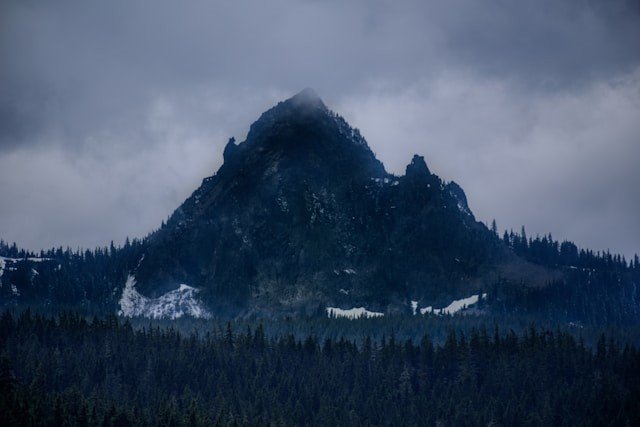
Wildlife Behavior at Higher Elevations
Animals that live in higher elevations behave differently from those found at lower altitudes. They often move between elevations depending on the season, weather conditions, and availability of food. For example, elk may descend to lower valleys during harsh winters but roam high ridges during the warmer months. Understanding these patterns increases your chances of spotting game. Hunters should spend time scouting or researching the seasonal habits of the species they intend to pursue.
The Role of Stamina and EnduranceMore than almost any other type of hunting, mountain hunts require stamina and mental toughness. The combination of altitude, terrain, and weather means hunters may need to hike long distances before even spotting game. It's common to climb multiple ridges and descend into valleys several times in a single day. Endurance isn't just about fitness—it's also about determination. Hunters who push through fatigue while maintaining focus are more likely to succeed in high-altitude hunts.
Essential Gear for Mountain HuntsGear becomes even more critical when hunting in the mountains. Lightweight equipment is highly valuable because every extra pound feels heavier at altitude. High-quality backpacks, water filtration systems, and weather-appropriate clothing are not optional but necessary. Optics such as binoculars and spotting scopes are also key, since spotting game from a distance reduces unnecessary climbs. Planning your gear carefully not only makes the hunt more comfortable but also safer and more efficient.
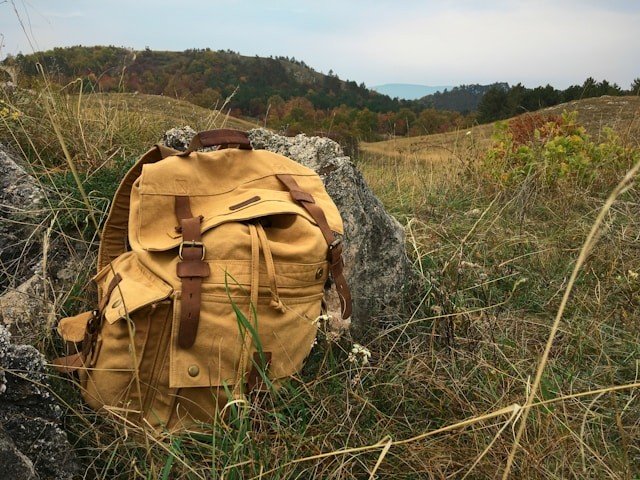
Nutrition and Hydration in Thin Air
Eating and drinking properly is just as important as having the right gear. The higher you climb, the faster your body burns calories. Hunters often underestimate how much fuel they need to keep going. Snacks high in protein and complex carbohydrates help maintain energy levels. Hydration is equally important, as the dry mountain air dehydrates you faster than you might expect. Carrying sufficient water or a filtration system ensures you stay energized throughout the hunt.
Safety Precautions You Should Always TakeSafety should always be a priority in the mountains. Hunters should never underestimate how quickly conditions can turn dangerous. Carrying navigation tools, emergency shelters, and first aid kits is essential. It's also smart to let someone know your planned route and expected return time. Hunting in pairs or groups increases safety, as injuries or sudden weather changes are much easier to manage with help. Respecting the mountain's power is the best way to ensure you return home safely.
The Reward of Mountain HuntingDespite the challenges, hunting at higher elevations offers unmatched rewards. The sense of accomplishment after pushing through fatigue, navigating tough terrain, and braving unpredictable weather is something few experiences can match. Beyond harvesting game, the views, solitude, and connection with nature provide hunters with lasting memories. The mountains test you, but they also give back in ways that make the effort worthwhile.
A Deeper Appreciation For the WildernessHunting in higher elevations is not for the faint of heart. It demands preparation, fitness, mental toughness, and respect for the environment. From acclimatizing to the altitude to handling unpredictable weather, hunters need to be ready for anything the mountains throw at them. But with the right mindset and preparation, the rewards go far beyond a successful hunt. You return with a sense of accomplishment, unforgettable views, and a deeper appreciation for the wilderness. For those willing to take on the challenge, mountain hunting is an adventure that stays with you long after you've left the ridges behind.
https://unsplash.com/photos/man-standing-on-cliff-Bsw6l6e01Rw
https://unsplash.com/photos/trees-and-mountain-photo-VQ8Kfftkvk8
https://unsplash.com/photos/brown-backpack-on-green-grass-field-7e-VK6U-3Fs
About the author