Business Pages


Hunting and Fishing News Blog Articles
Why Every Hunter Needs a Fresh Map After Moving
Hunters rely on their environment to track, scout, and plan. When they relocate, their environment changes completely. Wildlife patterns, access points, and local laws shift from region to region. Because of this, every hunter needs a fresh map after moving to ensure they stay prepared, legal, and successful in the field.
Local Laws Are Different in Every State or RegionHunting regulations vary from place to place. Seasons, bag limits, and legal zones can change significantly. A new map helps hunters understand these changes. Most states publish updated maps with legal hunting areas. Relying on old maps from a previous home could lead to fines. Updated maps also mark protected zones where hunting is not allowed. This helps avoid mistakes and keeps hunters safe and compliant.

Wildlife Movement Is Not the Same Everywhere
Game animals behave differently in each region. Weather, terrain, and food sources all affect their movement. A fresh map shows natural features that influence animal travel. Rivers, ridges, and open fields shape where deer, elk, or turkey go. Hunters who use current maps can plan more effective routes and stands. Without that, they risk wasting time in low-traffic areas.
Hunters moving to new regions often benefit from tips on tracking wildlife in unknown territory. Understanding movement patterns starts with a clear view of the terrain. Satellite-based maps reveal food plots, bedding areas, and water access. These details make scouting easier on unfamiliar ground.
Avoid Mistakes When Moving to a New State for Hunting
Relocating brings many challenges, especially for hunters adjusting to unfamiliar areas. If you are moving to a new state, learning the terrain and understanding game behavior should be priorities. Many hunters face setbacks because they skip important early steps. To have a smoother transition, be aware of the mistakes you should avoid when preparing for new hunting grounds. Taking time to learn access points, update your maps, and research local laws makes a big difference.
Why Every Hunter Needs a Fresh Map After MovingMaps are not just tools—they are guides. After moving, they become essential for several reasons. New land means new terrain, new obstacles, and new opportunities. A fresh map helps hunters learn where public lands begin and end. It also highlights access roads, trails, and boundaries. That's why every hunter needs a fresh map after moving—to stay informed and effective.
Many hunters rely on online map apps, but those apps need updating too. Location-based tools often refresh with new land information. Without updating them, hunters could follow outdated paths or enter private property. Mistakes like that can ruin a hunt or cause legal trouble.
5 Reasons a Fresh Map Helps With Public and Private Access
Access is key to staying legal and safe. Property boundaries can change fast. A fresh map prevents mistakes by showing:
- New land ownership updates – Recent land purchases may affect access.
- Clear private and public boundaries – Old lines may no longer apply.
- Road closures or new gates – Some roads may now be off-limits.
- Trail adjustments – Trails shift due to weather or new construction.
- Posted and leased land – A fresh map shows which areas are now restricted.
Using a map with outdated access data can lead to unintentional trespassing. Always confirm land status before your hunt.
Local Topography Affects Your Hunting Strategy
Every region has its own shape and layout. Hills, valleys, and forests affect hunting methods. Hunters need to study elevation, cover, and movement routes. A flat field may need a ground blind. A steep ridge may require a climbing stand. Maps help you prepare for that before your boots hit the dirt.
Some of the best hunting states offer a wide range of terrain, which makes understanding topography even more important. New topography means you need to plan your entry and exit paths. A good map shows how to avoid detection and wind traps. Hunters who fail to check maps often get winded by their prey. Local terrain changes that dynamic quickly.
How Maps Help Adjust for Local Weather Patterns
Weather impacts animal behavior in different ways. In a new region, understanding that behavior requires current mapping. Changes in weather also affect nearby ecosystems, including global warming effects on fishing, which may impact wildlife feeding and movement indirectly. Here are five ways maps help hunters respond to local weather:
- Wind direction planning – Maps help position blinds and stands based on expected wind flow.
- Storm shelter zones – Animals often move to thick cover during storms. Maps help locate it.
- Temperature-sensitive zones – South-facing slopes may hold more deer in cold weather.
- Feeding areas during dry spells – Water sources and food plots are easy to spot on fresh maps.
- Trail adjustments after snow – Snowfall alters movement routes. Maps help hunters follow new tracks.
Without a fresh map, weather-based adjustments are harder and less accurate.
Scouting Without a Map Wastes Time and Energy
Blind scouting is less effective and more tiring. Hunters should always scout with purpose. A current map helps identify promising spots before you leave home. It saves gas, time, and energy. It also reduces pressure on animals by cutting down on random hikes.
Aerial and topographic maps are useful for marking potential bedding, feeding, and travel zones. Mark your waypoints before setting foot in the woods. This planning leads to more productive scouting trips.
Why a Map Is Better Than Local Tips Alone
Locals often offer tips, but they may be outdated or general. A map provides specific, up-to-date information you can trust. It also helps you cross-check what you've been told. Combine both sources for the best results, but don't rely on word of mouth alone. Hunters who skip map work risk walking into unsafe or low-activity areas. Maps give you the independence to scout and hunt with confidence.
Digital Tools Still Depend on Updated Maps
Even hunters who use GPS apps or tracking devices need fresh data. Digital tools must sync with updated map files to work correctly. Without that, apps may show wrong access roads or outdated trailheads. Sync your devices before the season starts. Make sure they reflect current land use, hunting zones, and property lines. That small step makes your digital gear far more effective.
Why Every Hunter Needs a Fresh Map After Moving: Final Thoughts
Moving changes everything for hunters. The game is different, the land is unfamiliar, and the laws can shift dramatically. Whether you hunt on public or private land, every hunter needs a fresh map after moving to stay prepared and safe. A current map helps you plan better hunts, avoid legal trouble, and get to know your new area faster. Don't rely on memory, guesses, or outdated advice. Use the tools available and take the time to get a fresh map. Your success and safety depend on it.
https://www.pexels.com/photo/a-figurine-of-the-lady-justice-on-a-table-6077297/
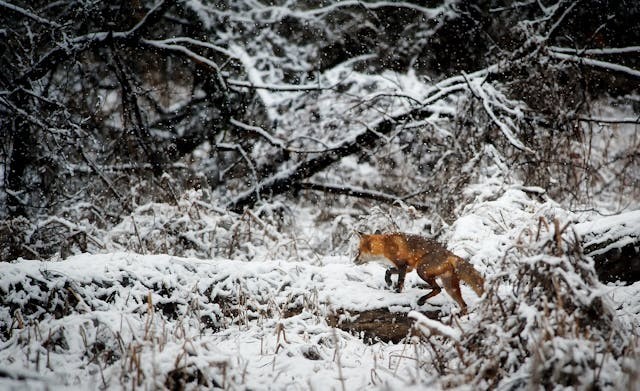
https://www.pexels.com/photo/fox-on-snow-covered-field-in-forest-247395/
About the author