



Hunting and Fishing News Blog Articles
Wyoming’s Landowner Tag Cap: A Step Forward, But Not a Slam Dunk
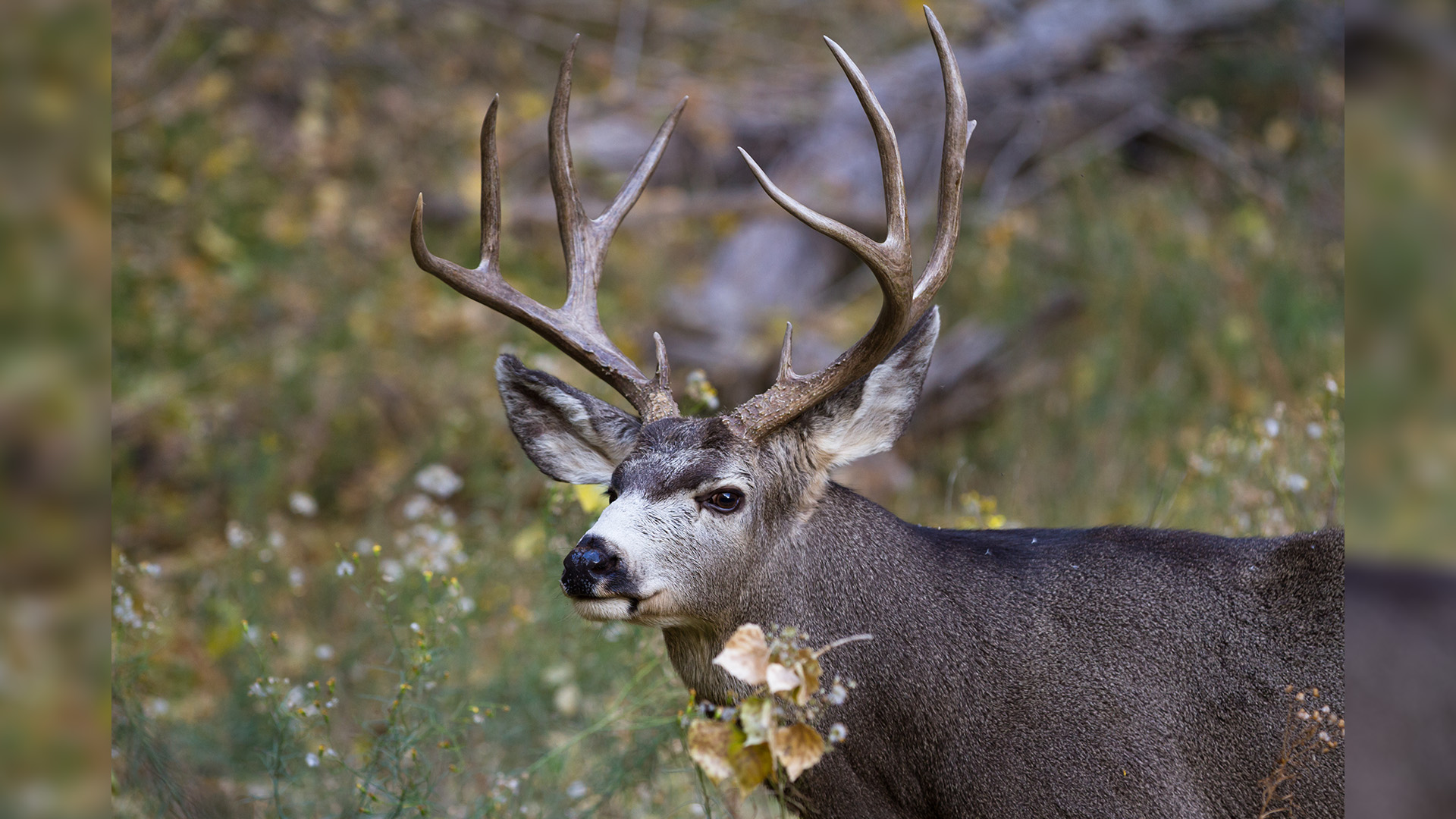 Photo Courtesy of NaturesCharm_envato
If you’ve been following the rollercoaster that is Wyoming’s ongoing conversation about landowner hunting licenses, here’s the latest twist: a bill just cleared committee that would cap landowner tags in limited-quota hunt areas.
Now before you pop the champagne, let me pump the brakes. This is a step in the right direction, sure. But like any good backcountry hike, there’s unknown terrain between “good idea” and “reliable outcome.” Let’s walk through what the bill actually does, where it falls short, and why public hunters should keep their boots laced up and ready.
What’s in the Bill?
This new bill would give the Wyoming Game & Fish Commission the authority (not the mandate) to cap landowner tags. While it’s reported that a 40% cap was on the table, the bill as written on WyoLeg.Gov allows WGFD to make a cap, but does not set the cap.
That means that in areas where landowner licenses have historically taken up a disproportionate share of the tags (sometimes up to 100%) the Commission could step in and rebalance the scale.
It’s the first time we’ve seen a hard number proposed to limit how many landowner tags can be issued. That matters. Until now, there’s been no formal ceiling, and in several limited-quota areas, landowners were awarded the majority—or even the entirety—of the licenses.
But this bill doesn’t require the cap to be applied statewide. It just gives the Commission the option to implement it “under certain circumstances.”
The Good News: This Could Work
For resident hunters who feel like they’re losing ground season after season, this bill acknowledges a truth we’ve been shouting for years: tags are a public resource, and opportunity shouldn’t be quietly auctioned off via landownership.
In theory, this bill would:
Prevent future scenarios where public hunters are completely boxed out of a unit. Give the Commission a clear mechanism to preserve public draw hunting opportunities. Put a ceiling on a growing issue before it spirals into the kind of pay-to-play system we see in other states.If the 40% number sticks, it seems to match what many hunters see as a reasonable upper limit. After all, landowners do provide critical habitat. But habitat doesn’t equal sole ownership of the opportunity that wildlife represents.
The Fine Print: There’s Work to Do
Here’s where the details start to matter:
Vague ImplementationThe Wyoming Game and Fish Commission would be doing a lot of heavy lifting in this bill. Will it apply only when herds are in decline? Or only if hunters complain loudly enough? Without a clear trigger, it’s possible this cap rarely gets used. While leaving these wildlife-specific decisions to the Commission, who have the most information on the topic, is usually where we want to land, it is super vague. Which Pool Are We Talking About?
Is the recommended 40% a cap on resident landowner tags? Or does it include nonresident landowners too? What about special license pools?
For instance, area 87, the Ferris Mountain mule deer hunt, has a total quota of 50 tags in 2025. Half of those licenses went to both resident and nonresident landowners this fall. Nonresident landowners, in particular, took all 10 of the nonresident allocation, and no hunters (even with maximum preference points) received a mule deer tag in the Ferris Mountains in 2025.
If the Commission isn’t careful, the numbers could get fudged fast, and it’s possible the nonresident landowner pool takes all of the licenses in a limited quota area still.
No Mention of Reforming EligibilityThis doesn’t address how landowner tags are earned, like the acreage thresholds or actual animal use days conversations that were had over the summer. So the same access-free, 160-acre “landowners” might still qualify. This might be a good step in the right direction, but there are still a few holes in the beaver dam to shore up.
Final Thoughts
Giving the Game & Fish Commission the authority to cap landowner tags is a win, no doubt. It’s a recognition that we can’t keep letting exclusive access creep in through the side door. But it’s just the start.
Let’s make sure it becomes something that actually works for public hunters, resident families, and the future of fair-chase hunting in Wyoming. Because once opportunity slips away, it’s real dang hard to get it back.
If you care about keeping Wyoming hunting wild and accessible in a public draw, now’s the time to speak up.
The post Wyoming’s Landowner Tag Cap: A Step Forward, But Not a Slam Dunk appeared first on Eastmans' Official Blog | Mule Deer, Antelope, Elk Hunting and Bowhunting Magazine | Eastmans' Hunting Journals.
Copyright
© Eastmans
About the author

